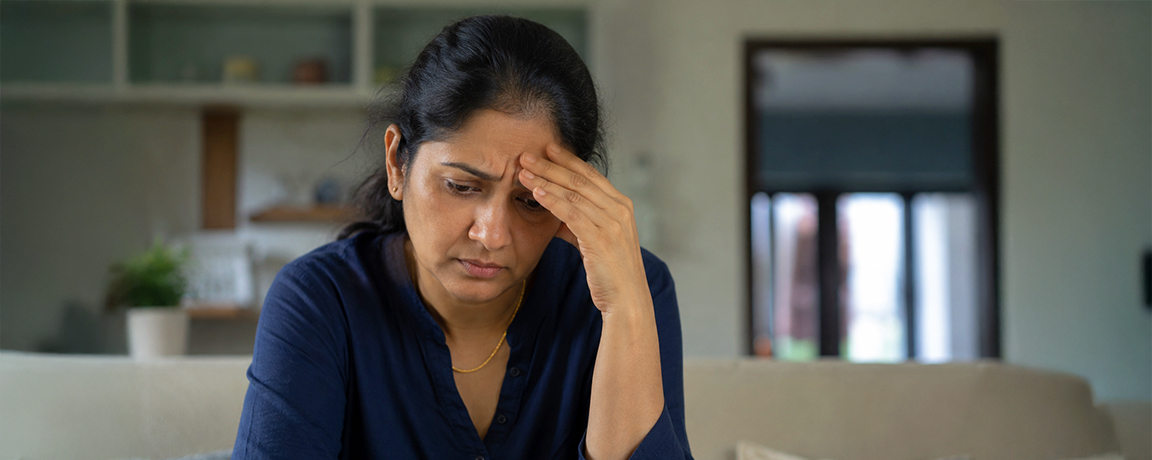
Everyone feels stressed or worried from time to time. A busy work schedule, family responsibilities, financial concerns, or unexpected life events can affect how we feel. In many cases, these feelings are temporary and improve once the situation changes.
However, there are times when stress or worry does not go away. It may become more intense, last longer than expected, or start affecting daily life. This can make people wonder whether they are dealing with normal stress, anxiety, or a more serious mental health concern.
Understanding the difference is important because it helps you know when simple self-care may be enough and when professional support may be needed.
Your health is your most valuable asset, and your body often gives early warning signs when something may be wrong. These signs can range from mild discomfort to noticeable physical changes that should not be overlooked. Ignoring these symptoms may delay diagnosis and lead to more serious health complications over time.
What Is Stress?
Stress is the body's natural response to pressure or challenges. It can happen when you face a difficult situation, a major change, or increased responsibilities.
● Common Causes of Stress
Stress can be triggered by many situations, including
- Work-related pressure
- Academic demands
- Financial difficulties
- Relationship conflicts
- Major life changes, such as moving or changing jobs
These situations can make you feel overwhelmed, but stress is usually linked to a specific cause.
● Signs and Symptoms of Stress
Stress can affect both your mind and body. Some common symptoms include:
- Feeling irritated or frustrated
- Difficulty concentrating
- Feeling overwhelmed
- Trouble sleeping
- Headaches or muscle tension
- Feeling tired even after resting
The symptoms can vary from person to person, but they often improve when the source of stress is resolved.
● When Stress Is Considered Normal
Stress is a normal part of life. It can even help motivate you to complete tasks or handle challenges. The key difference is that normal stress tends to decrease once the stressful event has passed.
For example, feeling nervous before an exam or a job interview is common. Once the event is over, those feelings usually fade away.
What Is Anxiety?
Anxiety is more than occasional worry. It involves persistent feelings of fear, nervousness, or uneasiness that may continue even when there is no immediate problem. While stress is often tied to a specific situation, anxiety can remain long after the situation has ended.
● How Anxiety Differs From Everyday Stress
People with anxiety often find themselves worrying about future events, possible problems, or situations that may never happen. These worries can be difficult to control and may interfere with daily life. Anxiety can also cause physical symptoms that feel very real, even when there is no obvious danger.
● Common Signs of Anxiety
Some common symptoms of anxiety include:
- Excessive worrying
- Restlessness or feeling on edge
- Racing thoughts
- Difficulty sleeping
- Trouble concentrating
- Rapid heartbeat
- Sweating or trembling
- Feeling nervous most days
These symptoms may come and go or be present for long periods.
● When Anxiety Starts Affecting Daily Life
Anxiety becomes more concerning when it starts interfering with normal activities. You may avoid social situations, struggle at work, find it difficult to focus on studies, or constantly feel worried throughout the day. When anxiety begins affecting your relationships, responsibilities, or overall well-being, it may be time to seek professional support.
Stress vs. Anxiety: Understanding the Key Differences
Many people use the terms stress and anxiety interchangeably, but they are not exactly the same.
● Duration of Symptoms
Stress is usually temporary and linked to a specific challenge. Anxiety often lasts longer and may continue even when there is no clear reason for concern.
● Triggers and Causes
Stress typically has an identifiable cause, such as a deadline or financial problem. Anxiety may occur without a clear trigger and can involve ongoing worry about many different things.
● Effect on Daily Activities
While stress can make life more difficult, anxiety is more likely to interfere with daily functioning, relationships, work, or school.
When It Could Be Something More Serious
Sometimes symptoms go beyond stress or anxiety. They may be signs of a mental health condition that requires professional attention.
● Signs That Should Not Be Ignored
Pay attention to symptoms such as:
- Feeling sad for several weeks
- Losing interest in activities you once enjoyed
- Extreme mood changes
- Panic attacks
- Social withdrawal
- Major changes in sleep patterns
- Changes in appetite
- Difficulty performing daily tasks
These signs may indicate a deeper mental health concern.
● Mental Health Conditions That May Need Professional Support
Several conditions can cause symptoms that are stronger or longer-lasting than normal stress. These may include depression, anxiety disorders, obsessive-Compulsive Disorder (OCD), bipolar disorder, and other emotional or behavioural conditions.
Only a qualified mental health professional can provide a proper assessment and diagnosis. If your feelings seem overwhelming despite your efforts to cope, speaking with a professional can provide guidance and support.
When to Seek Professional Help
Many people wait until symptoms become severe before reaching out for help. However, early support often leads to better outcomes.
● Why Early Support Matters
Getting help early can:
- Prevent symptoms from becoming worse
- Improve daily functioning
- Help you develop healthy coping skills
- Support your emotional well-being
There is no need to wait until things feel unbearable before seeking support.
● What to Expect During a Mental Health Consultation
A mental health consultation usually begins with a discussion about your symptoms, experiences, and concerns. The professional may ask questions about your emotional health, daily life, and medical history.
Based on this information, they can recommend a treatment plan that may include therapy, lifestyle changes, or other forms of support.
Simple Ways to Support Your Mental Well-Being
While professional care may be necessary in some situations, healthy daily habits can also support emotional well-being. Getting enough sleep, staying physically active, eating balanced meals, maintaining social connections, and practicing relaxation techniques can all help reduce stress and improve emotional health. Small changes may not solve every problem, but they can make it easier to cope with life's challenges.
Conclusion
Stress and anxiety are common experiences, but they are not always the same. Stress is usually connected to a specific challenge and often improves when the situation changes. Anxiety tends to last longer and may continue even without a clear reason.
If your symptoms are affecting your daily life, lasting for an extended period, or causing significant distress, it may be time to seek professional help. Paying attention to your mental health is an important step toward living a healthier and more balanced life.
Your questions answered about our medical services
If your worries continue even after the stressful situation has passed or if they begin affecting your daily life, your stress may be developing into anxiety.
Mild anxiety may improve with healthy lifestyle changes and stress management techniques. However, persistent or severe anxiety often benefits from professional support.
You should consider seeking help if your symptoms last for several weeks, affect your daily activities, interfere with relationships, or cause significant emotional distress.